

















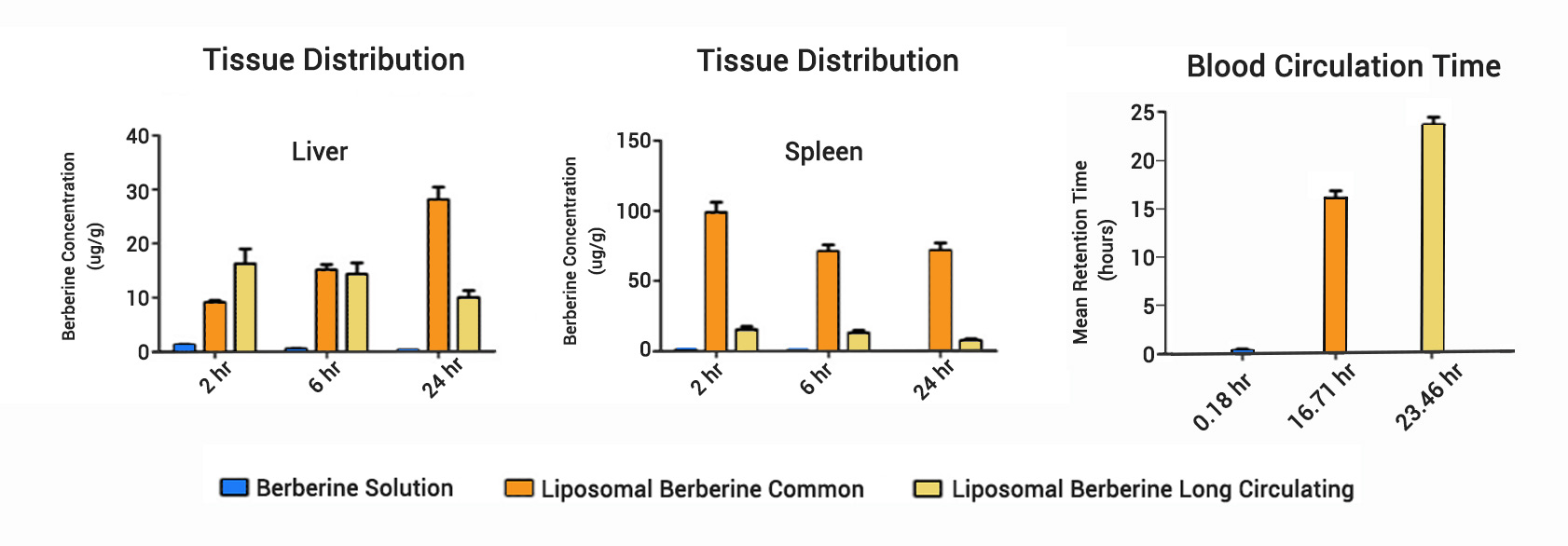
 Preparation, Pharmacokinetics and Tumour-Suppressive Activity of Berberine Liposomes (Zheng, 2017)
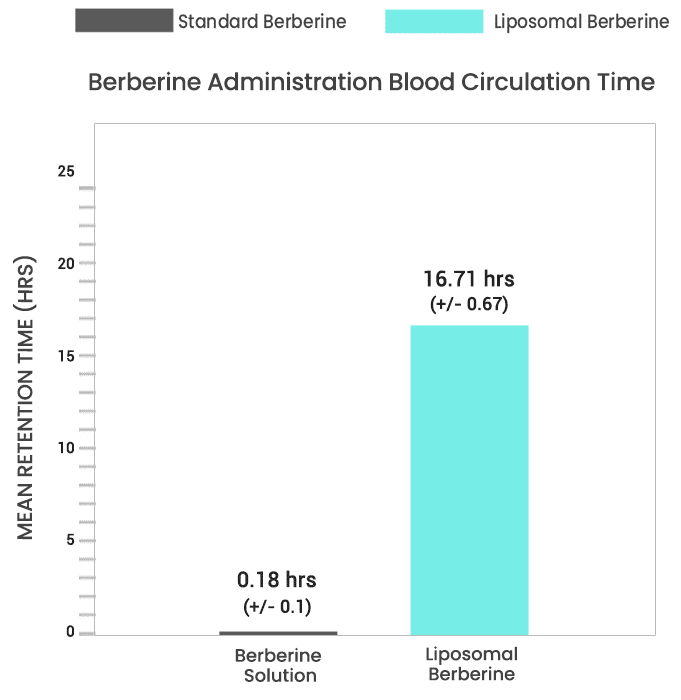
Administration of standard Liposomal Berberine increased retention time in circulation from .42 to 10 hours. Use of PEG modified Liposomes further increased retention to to 14 hours.
Administration of Berberine solution injection is hindered by unsatisfactory pharmacokinetics and, more importantly, the risk of lethal cardiovascular adverse reactions due to rapid uptake into heart and lung. This study validated common and long-circulating liposomes as safe and effective method for sustained release of Berberine.
Read more
Preparation, Pharmacokinetics and Tumour-Suppressive Activity of Berberine Liposomes (Zheng, 2017)
Administration of standard Liposomal Berberine increased retention time in circulation from .42 to 10 hours. Use of PEG modified Liposomes further increased retention to to 14 hours.
Administration of Berberine solution injection is hindered by unsatisfactory pharmacokinetics and, more importantly, the risk of lethal cardiovascular adverse reactions due to rapid uptake into heart and lung. This study validated common and long-circulating liposomes as safe and effective method for sustained release of Berberine.
Read more
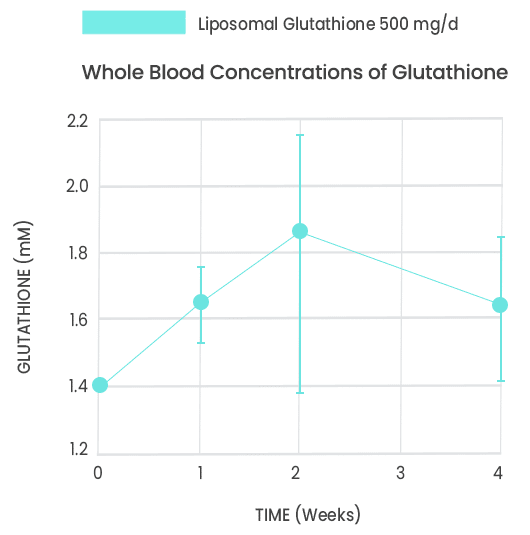
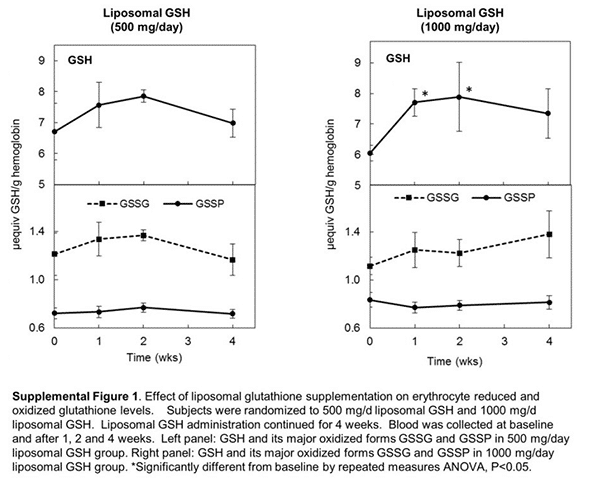 In addition, liposomal GSH had positive effects on several GSH-related parameters including decreases in biomarkers of oxidative stress and enhancements in immune functions.
Finally, liposomal GSH was highly tolerated and its administration was not associated with any signs of adverse effects. 3
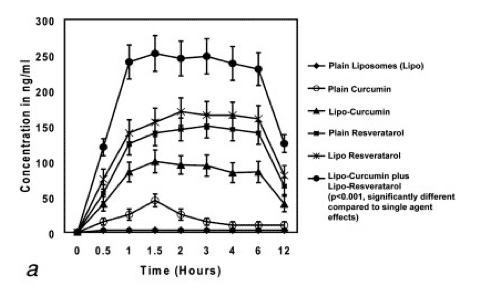
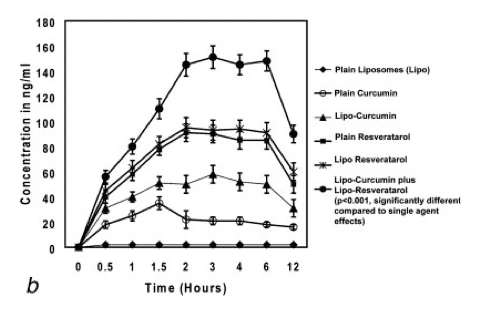
The results from this study provide support for the potential use of oral liposomal Glutathione as an intervention strategy for enhancing tissue Glutathione levels for use in disease therapy or prevention. Liposomal Glutathione effects were often greater that previously observed for non-liposomal Glutathione . 4 Read More"Apigenin liposomes bypass the hurdles posed by apigenin as a chemotherapeutic due to its high hydrophobicity. The enhanced pharmacological activity of apigenin has been assigned to its ability to interact and subsequently influence membrane properties which also resulted in optimal yield of a stable, rigidified, non-leaky nano-carrier with ideal release kinetics."
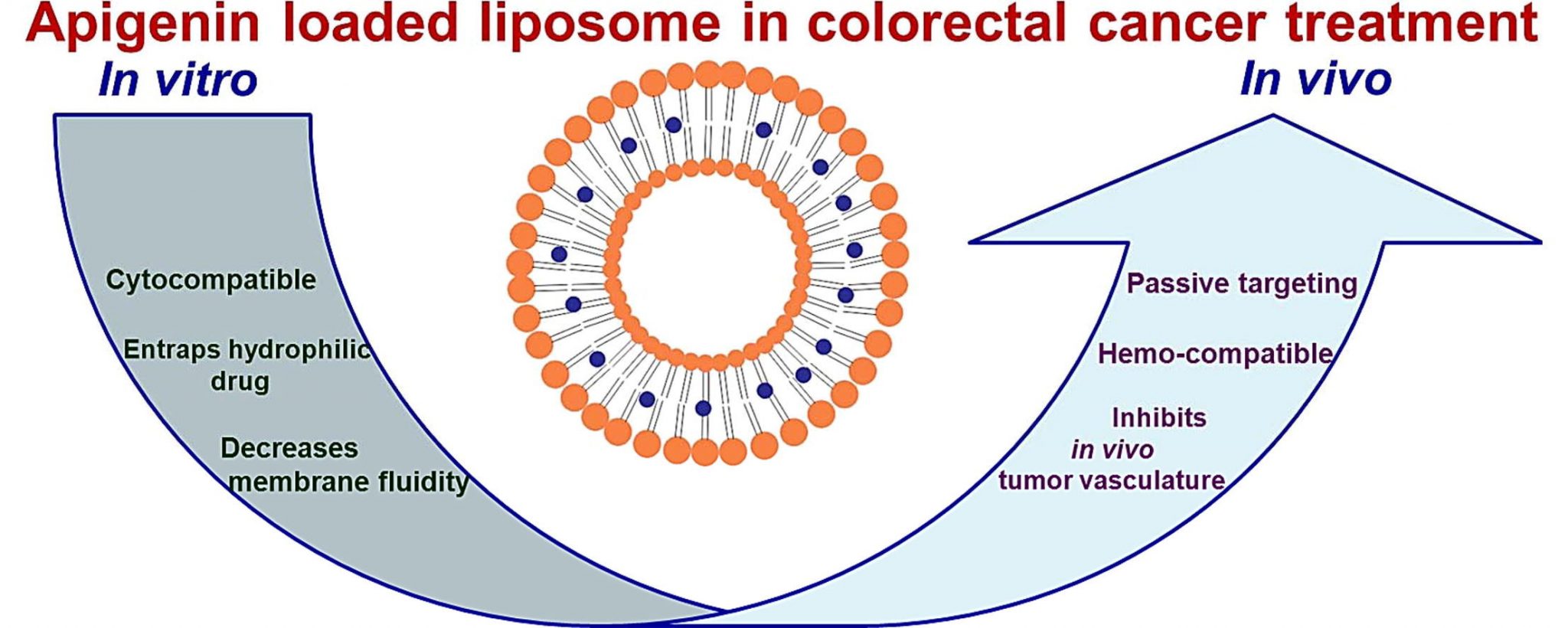 Research demonstrates the chemo-preventive properties of apigenin against colorectal cancer and the enhanced efficacy of its liposomal formulation both at the in vitro and in vivo level.
"The effect of quercetin liposomes was stronger than quercetin alone. This formulation provides characteristics such as high drug encapsulation ratio, low in vitro release rate and slow drug clearance and prolonged circulation time in vivo. This provides an alternative solubilization vehicle for administration of quercetin."
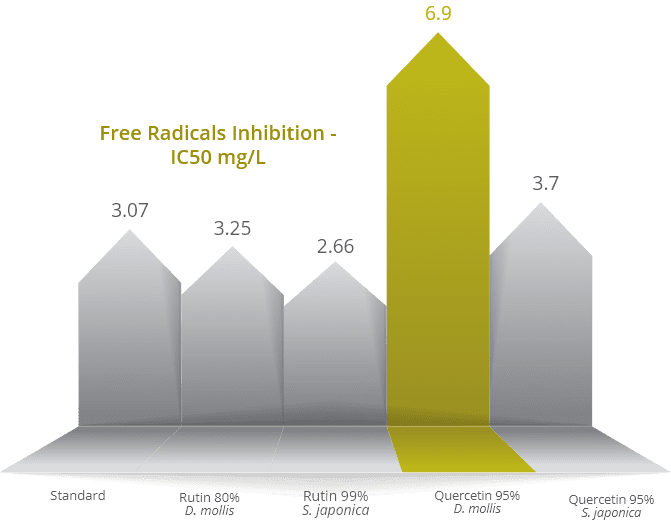
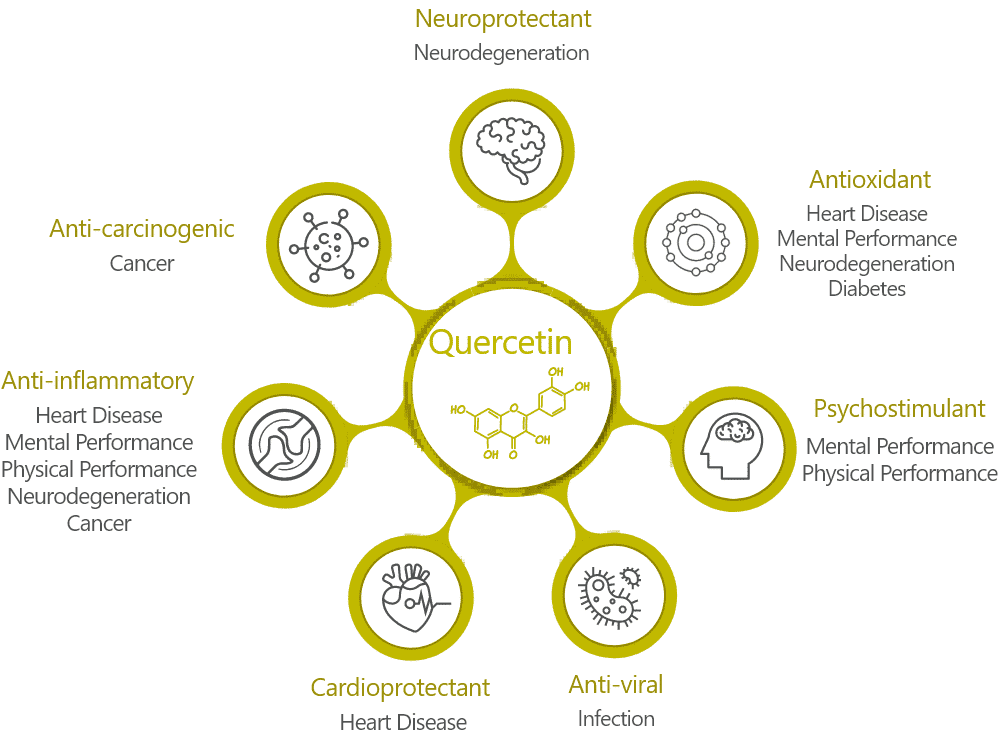
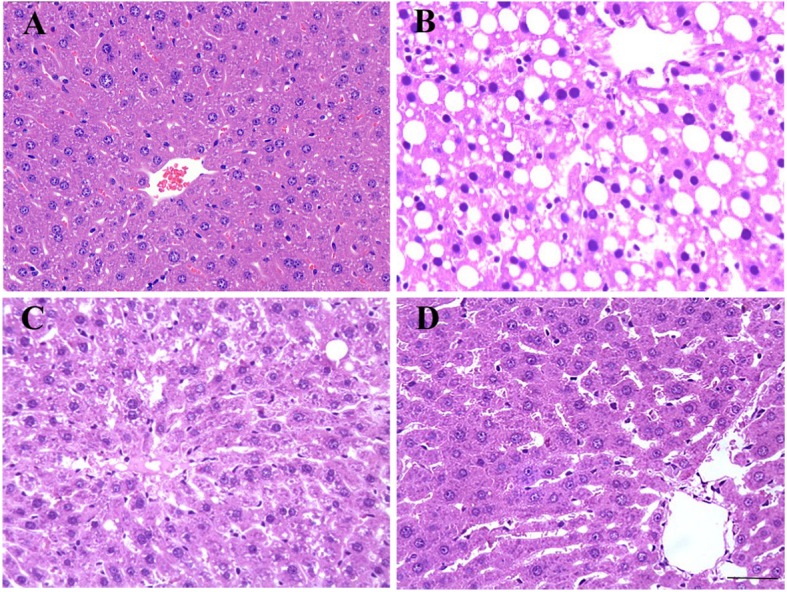
"Interestingly, nanoliposomal quercetin was more effective on decreasing liver index and interstitial inflammatory infiltration of hepatic-injured rats than pure quercetin, which indicated that the protective effect of nanoliposomal quercetin in the injured liver was stronger than that of pure quercetin."